
Identification
How to Spot Fake Stamps on eBay and Online Auctions
Online marketplaces have revolutionized stamp collecting, offering access to stamps from around the world. However, they've also created opportunities for fraudsters selling counterfeit, altered, or misrepresented stamps. This guide will help you navigate online stamp purchases safely.
The Scale of the Problem
Fake stamps are more common than many collectors realize:
- Estimates suggest 5-10% of valuable stamps offered online are problematic
- Some popular stamps have forgery rates exceeding 50%
- Many fakes are sophisticated enough to fool casual buyers
- The problem increases with stamp value
Types of Online Stamp Fraud
Complete Forgeries
Stamps that never went through any postal system:
- Printed to deceive collectors
- Range from crude to highly sophisticated
- Most common with valuable classic stamps
- May have fake cancellations added
Altered Stamps
Genuine stamps modified to appear more valuable:
- Added overprints
- Removed cancellations
- Repaired damage hidden
- Colors chemically altered
- Perforations added or trimmed
Misrepresented Stamps
Genuine stamps described incorrectly:
- Wrong catalog numbers
- Overstated condition
- Common varieties sold as rare
- Reprints sold as originals
Regummed Stamps
Stamps with gum removed and reapplied:
- Sold as "original gum" or "never hinged"
- Very difficult to detect
- Significantly overvalued
Red Flags in Online Listings
Price Red Flags
Too Good to Be True
- Valuable stamps at fraction of catalog value
- "Found in grandmother's attic" stories
- Estate sale claims for rare items
Pricing Inconsistencies
- Seller has multiple rare stamps at low prices
- No explanation for below-market pricing
- Shipping costs higher than stamp price (scam indicator)
Image Red Flags
Poor or Limited Images
- Only front shown, no back image
- Low resolution hiding details
- Angled shots preventing examination
- Stock photos instead of actual stamp
Suspicious Image Quality
- Images too perfect (possibly digital alterations)
- Different lighting in front/back photos
- Scan quality inconsistent with claimed condition
Seller Red Flags
New or Unestablished Sellers
- Recently created accounts
- No feedback history
- Private feedback profiles
Feedback Patterns
- All feedback from same buyers (fake feedback)
- Recent negative feedback about authenticity
- Feedback only on low-value items
Communication Issues
- Won't answer specific questions
- Refuses additional images
- Pressures quick purchase
- Poor English in listings for "US estate"
Description Red Flags
Vague or Missing Information
- No catalog numbers provided
- Condition not clearly stated
- Important details omitted
- Generic descriptions for rare stamps
Disclaimer Language
- "Sold as-is"
- "No returns for any reason"
- "I'm not an expert"
- "Buyer responsible for authentication"
Research Before Buying
Verify the Stamp Exists
Before bidding on expensive stamps:
- Check catalog listings - Confirm the stamp exists as described
- Compare images - Find authenticated examples online
- Note key features - Colors, perforations, watermarks, etc.
- Research forgery history - Some stamps have well-documented fakes
Know Common Forgeries
Certain stamps are frequently forged:
- Penny Black and other British classics
- Inverted Jenny and US rarities
- Confederate States stamps
- Chinese Cultural Revolution stamps
- Rare overprints from any country
Use Online Resources
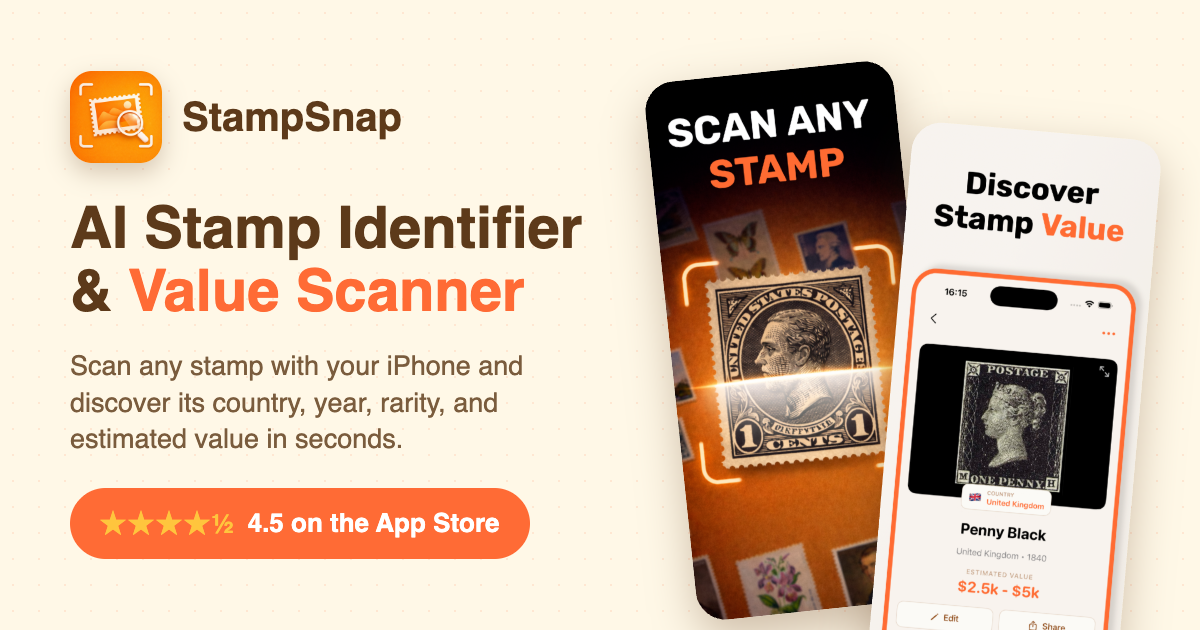
- StampSnap app - Quick identification checks
- Stamp forums - Ask experienced collectors
- Expertizing service websites - Check their forgery alerts
- Auction archives - Compare to verified sales
Verification Techniques
Image Analysis
Request Better Images
- Ask for high-resolution scans (600 DPI minimum)
- Request specific angles showing key features
- Want both front and back images
- Ask for watermark images if applicable
What to Look For
- Printing quality under magnification
- Paper texture and color
- Perforation consistency
- Gum appearance (for mint stamps)
- Cancel characteristics (for used)
Compare to Known Authentic Examples
Gather reference images from:
- Major auction house archives
- Expertizing service databases
- Collector society publications
- Your own authenticated stamps
Look for:
- Design element positioning
- Color matching
- Font styles in inscriptions
- Perforation patterns
Ask the Right Questions
Questions legitimate sellers should answer:
- "Can you provide additional close-up images?"
- "What is the provenance of this stamp?"
- "Has it been expertized?"
- "What is your return policy if not authentic?"
- "Can you describe any flaws not visible in photos?"
Safe Buying Practices
Use Buyer Protection
eBay
- Pay through eBay checkout
- Document everything in messages
- File claims within time limits
- Use "Request Total from Seller" for combined shipping
PayPal/Credit Cards
- Never pay via Friends & Family
- Credit cards offer chargeback rights
- Document all transactions
Start with Lower-Value Purchases
Test sellers before buying expensive stamps:
- Buy inexpensive stamps first
- Evaluate actual condition vs. description
- Assess communication and shipping quality
- Build relationship before major purchases
Get Expensive Stamps Expertized
For purchases over $200-500:
- Make purchase contingent on authentication
- Use established expertizing services
- Factor certificate cost into your maximum bid
- Return fakes promptly within seller's window
Document Everything
Keep records of:
- All listing images and descriptions
- Message conversations with seller
- Payment confirmations
- Condition on arrival (photograph immediately)
- Any authentication results
What to Do If You Buy a Fake
Immediate Steps
- Don't panic - You likely have protections available
- Document the problem - Photograph evidence
- Don't alter the stamp - Keep it exactly as received
- Contact seller first - Give chance to resolve
- Keep all communications in writing
If Seller Won't Cooperate
eBay Resolution
- Open "Item Not as Described" case
- Upload evidence (photos, expert opinion)
- Request full refund including shipping
- Ship back with tracking if required
- Escalate to eBay if seller unresponsive
Payment Provider Claims
- PayPal: 180-day protection window
- Credit card: Chargeback rights (varies by issuer)
- Document everything for claims
Report Fraudulent Sellers
Help protect other collectors:
- Leave accurate feedback
- Report to platform (eBay, etc.)
- Report to postal inspectors if mail fraud
- Share experience on collector forums
Trusted Buying Alternatives
Established Auction Houses
Major philatelic auction houses offer:
- Expert authentication
- Accurate descriptions
- Return privileges for misattributed items
- Buyer protections
Examples:
- Robert A. Siegel Auction Galleries
- Daniel F. Kelleher Auctions
- Spink
- David Feldman
Reputable Dealers
Look for dealers who are:
- Members of professional organizations (APS, ASDA)
- Long-established businesses
- Offer return policies
- Provide certificates for valuable stamps
Collector Societies
Society trading among members offers:
- Peer accountability
- Established reputations
- Dispute resolution mechanisms
- Shared knowledge
Using Technology for Protection
StampSnap for Verification
Use our app to:
- Quickly identify stamp issues
- Compare to database images
- Get approximate values
- Flag potential concerns
Image Search Tools
- Reverse image search listings
- Find if images are stolen from auction archives
- Compare to authenticated examples
Conclusion
Buying stamps online can be safe and rewarding with proper precautions. The key principles are:
- Research before buying - Know what you're looking for
- Verify sellers - Establish trust before major purchases
- Document everything - Protect yourself with records
- Use buyer protections - Pay through protected channels
- Get authentication - Expertize valuable purchases
- Trust your instincts - If it seems too good, it probably is
With these practices, you can confidently expand your collection through online sources while minimizing risk. Happy collecting!
StampSnap Editorial Team
Product and Editorial Team
StampSnap
The StampSnap Editorial Team creates practical stamp identification and collecting guides. Important identifications and values should be checked against specialist catalogues, provenance records and professional expertization.
Editorial standards
- •Separates identification clues from value estimates
- •Labels estimates and uncertainty clearly
- •Recommends specialist verification for important finds
- •Updates product facts when the app changes